
Views: 0 Author: Site Editor Publish Time: 2025-12-29 Origin: Site


As global electricity demand rises and renewable integration accelerates, protecting power systems from overvoltage surges—caused by lightning or switching—has never been more critical. In 2026, the surge arrester market is projected to exceed $2 billion, growing at a CAGR of 4.8-5.5%, driven by grid modernization, extreme weather events, and the expansion of solar/wind projects (Fortune Business Insights, Mordor Intelligence).
At Fenarro Power Technology, we manufacture IEC and GB-certified high voltage surge arresters (metal oxide/polymer housed), along with vacuum/SF6 circuit breakers, disconnect switches, and AIS switchgear. Our products, exported to over 90% of markets in the Middle East, Southeast Asia, Africa, and Europe, provide reliable protection for substations and renewable installations.
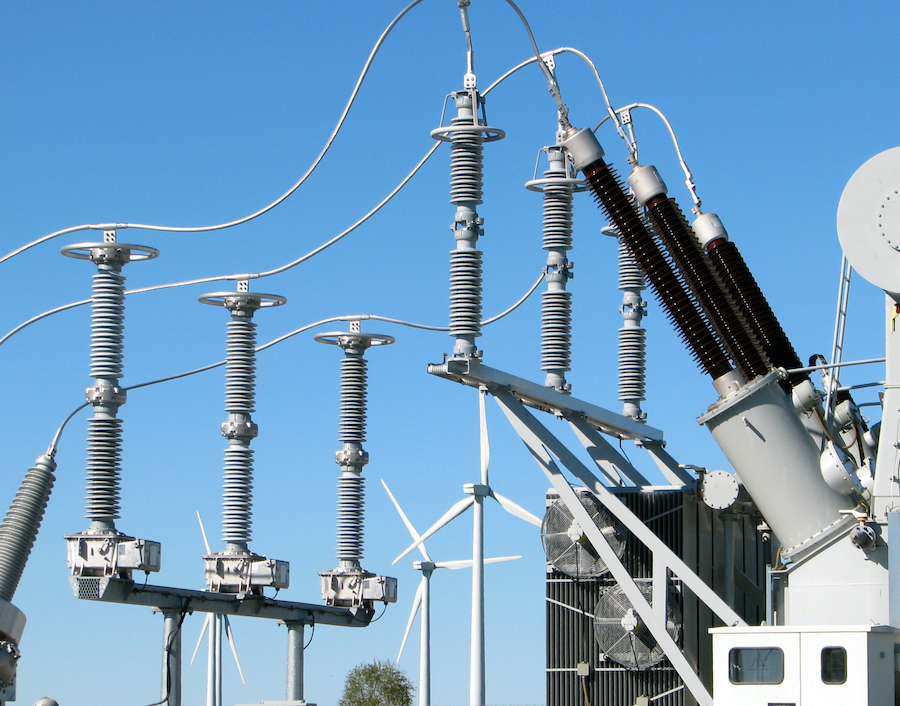
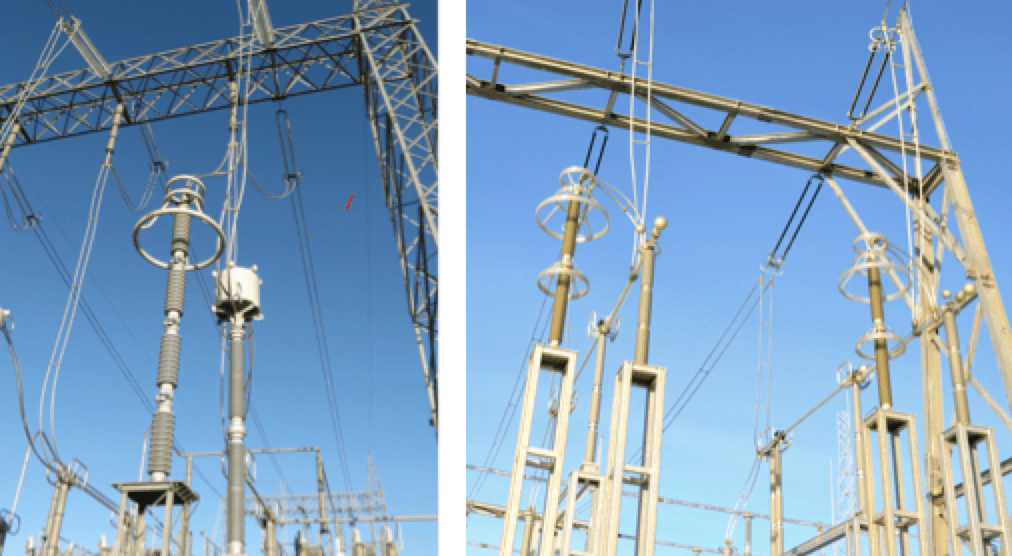
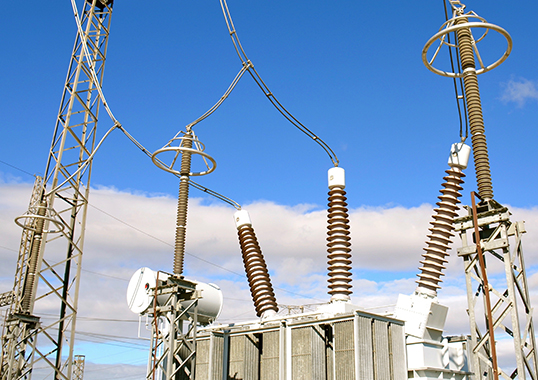
Superior Lightning and Surge Protection: Polymer-housed metal oxide varistors (MOV) offer zero greenhouse gas emissions, high energy absorption, and durability—ideal alternatives to older porcelain types.


Critical for Renewables: Solar farms and wind turbines are vulnerable to lightning-induced surges. High voltage arresters installed at grid interfaces prevent equipment damage, ensuring uptime in large-scale projects.
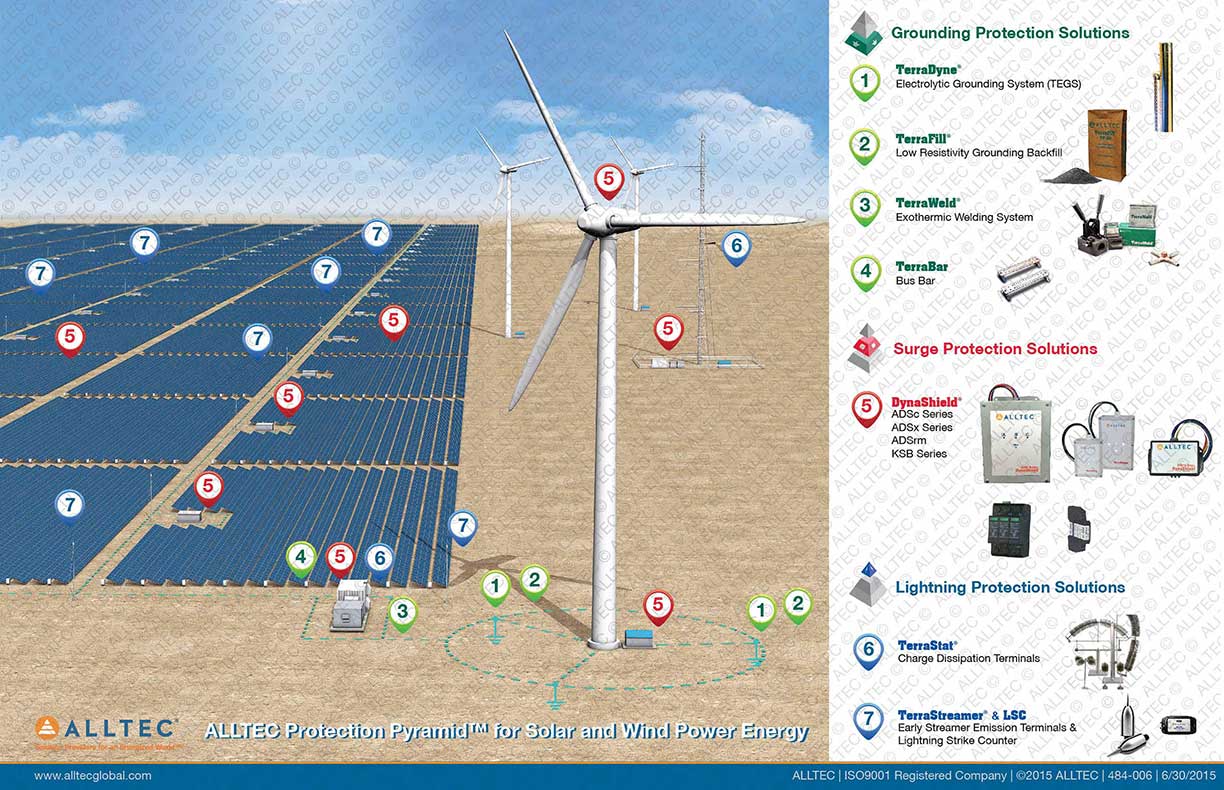
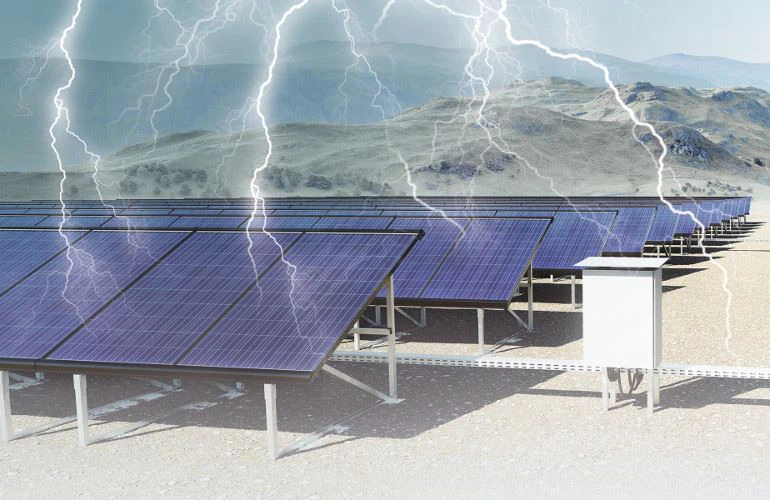
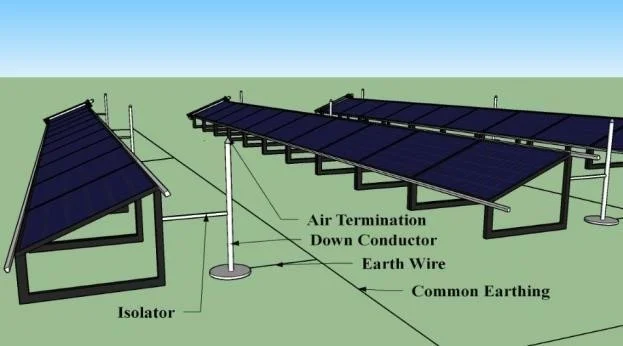
With renewable capacity surging and smart grids expanding, demand for compact, IoT-enabled arresters will rise. Fenarro's polymer surge arresters deliver maintenance-free performance and fast response for high-voltage applications.
Protect your infrastructure with proven solutions. Contact Fenarro for customized high voltage surge protection.
#HighVoltageSurgeArrester #LightningProtection #RenewableEnergy #GridReliability #Fenarro


Ethan
With over 16 years of experience in high-voltage electrical equipment, Ethan‘s current focus is on HV switchgear and system solutions for industrial and renewable energy sectors.He specializes in HV SF6 and vacuum circuit breakers for outdoor applications, indoor HV vacuum circuit breakers, disconnect switches, air-insulated switchgear (AIS), fuses, surge arresters, transformer neutral equipment, and vacuum load break switches.As an industry columnist and technical consultant, he provides reliable, practice-based insights to help engineers improve system reliability and operational safety.


